Culture‑First Strategy for Maximum Home Service Growth
High‑performing companies marry a clear code of values with fiscal discipline. In Episode 10 of Home Service Hotseat, Michael and Jonathan unpack how leaders can use “values + math” to make better decisions, grow profitably, and keep A‑players engaged.
“You need a business that makes sense and works on paper and you have to put the right people in charge.”
– Michael Grigery, CEO – ClickCallSell

Why “Values + Math” wins
In the episode, Michael Grigery, CEO – ClickCallSell, described how Neighborly’s Live R.I.C.H. framework, Respect, Integrity, Customer focus, and having fun-shaped decisions, even under private‑equity pressure. Values were non‑negotiable; the math (budgets, margins, KPIs) ensured those values could be funded sustainably.
- Values tell people how to behave when no one’s watching.
- Math tells leaders what is working, what’s a waste, and where to adjust.
Together, they form an operating system you can teach, inspect, and scale.
The KPI side: stop guessing, start progressing
When performance isn’t visible, people guess, and as Jonathan put it, “when you’re guessing, you’re not progressing.” Scoreboard the essentials weekly. Keep it simple, consistent, and team‑wide.
“The data doesn’t lie. Once you see it every week, your team starts fixing problems before they become fires.”
– Michael Grigery, CEO – ClickCallSell
The Essential KPIs
Capacity & Utilization
- What it is: Scheduled hours vs. produced (billable) hours.
- Target: >85% utilization on average. Flag crews under 80% for two weeks in a row.
- Use it weekly:
- Shift workload to balance crews; pull work from over‑utilized trucks.
- Identify bottlenecks (late starts, long lunches, staging issues).
- Shift workload to balance crews; pull work from over‑utilized trucks.
- Pitfalls: Counting non‑billable tasks as produced hours; ignoring weather/seasonality patterns.
Quality Signals
- What it is: Rework/returns per 100 jobs (lower is better) plus review velocity and rating (GBP/CSAT/NPS trend).
- Target: Rework <5–8% depending on service; reviews rising weekly.
- Use it weekly:
- Tag repeat issues by root cause (training, tools, scope).
- Read 3–5 new reviews in the huddle; recognize the techs mentioned.
- Tag repeat issues by root cause (training, tools, scope).
- Pitfalls: Treating all callbacks the same; not closing the loop with training or SOP updates.
Sales Conversion
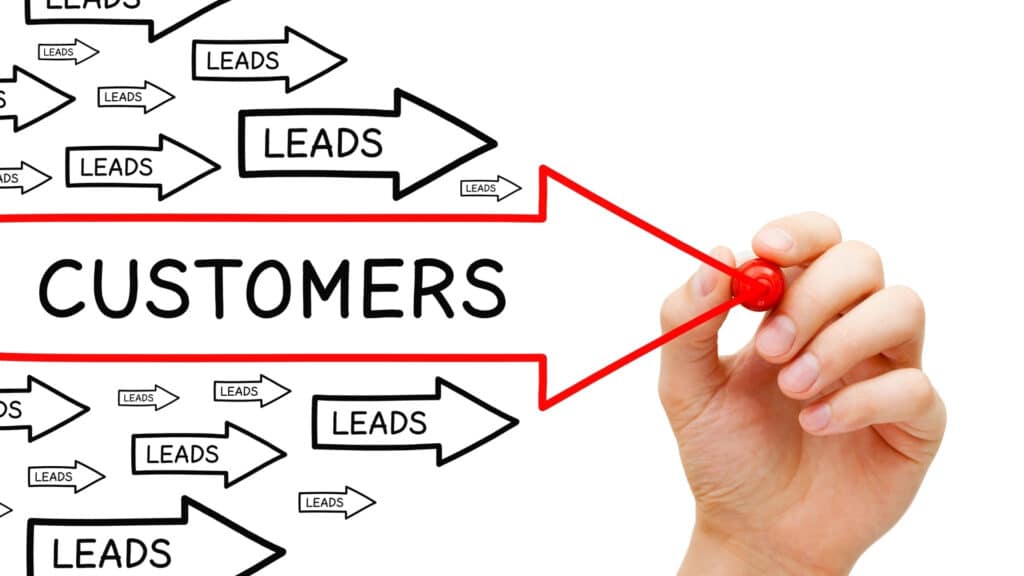
- What it is: Lead → Estimate → Job by channel; average ticket and add‑on/upsell rate.
- Target: Benchmarks vary by vertical; the goal is a steady trend up and to the right with consistency.
- Use it weekly:
- Review conversion by channel (Google Ads vs. GBP vs. referrals).
- Coach estimators on one objection pattern at a time.
- Review conversion by channel (Google Ads vs. GBP vs. referrals).
- Pitfalls: Celebrating “lead count” while estimate booking is weak; mixing “form fills” with booked estimates in one bucket.
Labor Efficiency
- What it is: Labor % to revenue by service line (e.g., house wash vs. lighting vs. repairs) and drive time ratio (windshield hours ÷ total paid hours).
- Target: Know the healthy range by service; reduce variance week over week.
- Use it weekly:
- Rebuild routes to cut windshield time; cluster jobs by area.
- Tweak crew size on services that spike labor %.
- Rebuild routes to cut windshield time; cluster jobs by area.
- Pitfalls: Averaging labor % across all services; ignoring route density.
Safety & Risk
- What it is: Incidents, near misses, and property damage reported and reviewed.
- Target: Zero harm; visible learning from every event.
- Use it weekly:
- 10‑minute safety talk at the start of each day.
- Share “near miss of the week” and the fix.
- 10‑minute safety talk at the start of each day.
- Pitfalls: Under‑reporting near misses; blaming instead of learning.
People Health

- What it is: Attendance, training completions, and A‑player wins called out weekly.
- Target: 100% of required trainings completed on time; weekly recognition of top behaviors.
- Use it weekly:
- Publish a simple leaderboard (on‑time starts, reviews earned, training done).
- Pair new hires with mentors for their first 30 days.
- Publish a simple leaderboard (on‑time starts, reviews earned, training done).
- Pitfalls: One‑and‑done training; recognizing only top sales, not quality or safety.
Team ≠ family (and why A‑players self‑police)
“We’re not a family, we’re a team.”
Families imply permanence; teams field the best players for the mission. A‑players won’t stick around if they must carry C‑players. Make expectations explicit and visible.

Practical steps
- Publish clear role scorecards (Top 5 outcomes, 3–5 KPIs per role).
- Hold monthly talent reviews (A/B/C). Invest in A’s, coach B’s, reassign or exit C’s quickly.
- Promote based on values + results, not time served.
Pay for performance: simple, fair, scalable
A clean incentive plan aligns technicians with customers and the company.
“Our technicians earn 20% of the job; 18% now, 2% in a year‑end fund (covers losses/damage). Techs often make $30–$35/hour.” – Michael Grigery, CEO – ClickCallSell
Design notes
- Keep it transparent and auditable (weekly statements).
- Tie a portion to quality (no callbacks, 5‑star reviews).
- Include a small deferred component to align long‑term care of equipment & customer assets.
- Cap “hero discounts” and require approval to protect margin.
When a “reset” is actually the smartest move
Truck count isn’t a strategy. If the foundation (process, people, numbers) is cracked, scaling just multiplies the cracks.
“I bought an $8M company that burned to the ground; it was held together by duct tape. Sometimes you need to hit the reset button.”
– Michael Grigery, CEO – ClickCallSell
“If you never quit, you can’t fail… everything else is just tuition.”
– Jonathan Maynard, CEO – Red Door LLC.

Signs you need a controlled reset
- Rework >8% and rising; callbacks consuming crew capacity.
- Labor % is chronically high and unpredictable by service line.
- A‑players leaving; managers firefighting all day.
- You can’t trust the books.
Reset playbook (lite)
- Pause lowest‑margin SKUs; tighten scope and standards.
- Consolidate the best crews; rebuild routing and quality checks.
- Fix measurement and reporting first; then re‑scale.
Build an abundant culture (not a fear‑based one)
Don’t hoard knowledge; develop people—even if a few eventually leave.
“If someone wants to start a company, I’ll help – time, experience, support. That’s a winning culture.”
– Michael Grigery, CEO – ClickCallSell
Jonathan noted that sharing “everything” seldom creates a competitor; most won’t act on it, and those who do should be encouraged. The result: better retention because your place is worth staying.
Make abundance tangible
- Post SOPs internally; run weekly skill drills.
- Create growth paths (Lead Tech → Trainer → Ops).
- Celebrate promotions and certifications publicly.
Book a 30‑Minute Operations Strategy Call
Want a one‑page plan to align values, KPIs, and compensation for your team? Contact us now!