Avoiding Owner Burnout in Home Services and the System That Fixes It
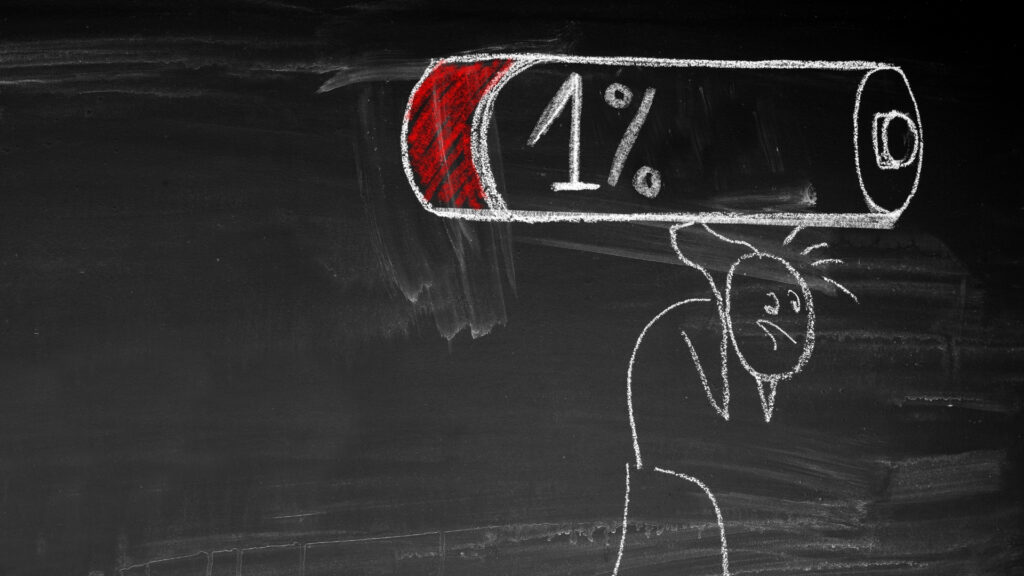
Owner burnout in home services is sourced from much more than procrastination, time management, or a lack of hustle. It’s caused by internal struggles that may be showing up in more places than you realize.
When every decision, approval, exception, and problem routes back to you, the business eventually becomes exhausting to run. Long hours stop producing progress. Growth feels heavier instead of lighter. Even wins feel draining.
Episode 13 of Home Service Hotseat tackles this head-on. Michael Grigery and Jonathan Maynard break down why owner burnout is not a personal failure. It is a systems failure. More importantly, they explain how strong operators escape burnout by redesigning how decisions are made, how leadership is distributed, and how the business runs without constant intervention.
“If the business can’t run without you making every call, the system is broken, not you.”
This article turns Episode 13 into a practical operating framework. One that helps you reduce decision fatigue, remove yourself as the bottleneck, and build a company that scales without burning you out.
Why Owner Burnout Is So Common in Home Services
Home service businesses reward effort early. When you work harder, things improve. More jobs get done. More customers are happy. More revenue comes in.
The problem is that effort-based growth stops working at scale.
As the business grows, complexity multiplies. More people. More trucks. More customers. More edge cases. If leadership systems do not evolve, all of that complexity collapses back onto the owner.
Burnout happens when:
- Every decision needs approval
- Standards live in your head
- Problems surface too late
- Leaders wait instead of lead
- You are always on call, even when you are off
This is not a discipline issue. It is a design issue.
Decision Fatigue Is the Real Burnout Multiplier
Most owners think burnout comes from long hours. Episode 13 makes it clear that the real problem is decision fatigue.
Decision fatigue happens when you are forced to make hundreds of low-quality, repeat decisions every week that should already be decided by the system.
Examples include:
- Pricing exceptions
- Scheduling changes
- Quality disputes
- Personnel issues
- Customer escalations
- Rework decisions
“If you are tired all the time, look at how many decisions still depend on you.”
Strong operators reduce fatigue by eliminating unnecessary decisions, not by pushing harder.
The Root Cause. You Are the Operating System
When the owner is the operating system, burnout is guaranteed.
If:
- Standards are unwritten
- Scoreboards are missing
- Leaders are underdeveloped
- Decision rights are unclear
Then every issue comes back to the same place. You.
Episode 13 reinforces a core principle that connects directly to Episode 12.
You cannot scale personality. You can only scale systems.
This is why owner burnout is not solved with vacations, time blocking, or better delegation alone. It is solved by systemizing leadership.

How Strong Operators Replace Themselves with Systems
High-performing home service operators do not disappear. They redesign how leadership works.
They replace themselves in three critical areas.
Clear Standards Remove Guesswork
Burnout thrives in ambiguity.
When standards are unclear, every situation becomes a discussion. Discussions become debates. Debates become decisions. Decisions land on you.
Strong operators eliminate this by writing standards that are observable and enforceable.
Standards should exist for:
- Job quality
- Safety behavior
- Customer communication
- Appearance and professionalism
- Decision authority
“If a standard only exists in your head, it does not exist.”
Once standards are written and taught, decisions become automatic. Not personal.
Scoreboards Shift Decisions from Emotion to Data
Without scoreboards, leadership conversations are emotional. With scoreboards, they are factual.
Episode 13 highlights how scoreboards reduce stress by making performance visible early.
Key operator-level metrics include:
- Capacity and utilization
- Rework and callbacks
- Lead to estimate to job conversion
- Labor efficiency by service line
- Safety incidents and near misses
- People health indicators like attendance and training completion
“When performance is visible, problems get solved earlier and with less drama.”
Scoreboards prevent burnout by stopping small issues from becoming emergencies.
Leadership Cadence Stops You from Being On Call Forever
Burnout accelerates when leadership is reactive.
Strong operators run a predictable leadership cadence:
- Daily huddles to surface issues early
- Weekly scorecard reviews to coach performance
- Monthly one-on-ones to develop leaders
- Quarterly planning to remove fire drills
When cadence exists, problems have a place to go. They do not follow you home.
This cadence connects directly to the leadership systems outlined in Episode 12, which acts as the pillar foundation for this episode.
Why Delegation Alone Does Not Fix Burnout

Many owners try to delegate themselves out of burnout. It rarely works.
Delegation without systems simply moves chaos to someone else, then back to you when it fails.
Strong operators do not delegate tasks. They delegate decisions.
They define:
- What decisions leaders can make
- What data leaders use to make them
- What outcomes leaders own
“If every problem still comes back to you, leadership has not been transferred.”
Developing Leaders Is the Antidote to Owner Exhaustion
Burnout is often a signal that leadership depth is missing.
Episode 13 emphasizes that strong operators build leadership benches before they need them. They identify potential leaders early and develop them intentionally.
This includes:
- Teaching leaders how to read scorecards
- Coaching problem solving instead of giving answers
- Allowing small mistakes inside clear guardrails
- Promoting based on values and results, not tenure
When leaders grow, owners breathe.
The Hidden Cost of Avoiding Hard Leadership Decisions
Avoiding tough decisions feels like relief in the moment. It is also one of the fastest paths to burnout.
Keeping low performers:
- Increases rework
- Forces constant supervision
- Drains A players
- Creates cultural friction
- Multiplies decision fatigue
“Avoiding tough calls today guarantees harder ones later.”
Strong operators protect standards even when it is uncomfortable. That protection reduces long-term stress.
How Systems Reduce Stress While the Business Grows
Scaling does not have to feel chaotic.
Strong operators:
- Say no to work that breaks the system
- Pause growth to fix foundations
- Rebuild routing and capacity before adding trucks
- Invest in leadership before marketing spend
Stress is often a signal that systems are missing, not that effort is lacking.
The Mindset Shift That Ends Burnout

Episode 13 reinforces a critical shift.
Stop asking how to fix the problem.
Start asking what system allowed the problem to exist.
When systems improve, problems stop repeating. When problems stop repeating, burnout fades.
Fix the System. Get Your Time Back.
If you are exhausted, overwhelmed, or feel trapped in daily decisions, the answer is not more hustle. It is a better design.
Book a 30-minute Operations Strategy Call and get a clear plan to reduce owner dependency, install leadership systems, and scale without burning out.
Listen to Episode 13: